
Paper Sacks Manufacturing Trends for 2026
Examining the Shifts Shaping the Future of Paper Packaging
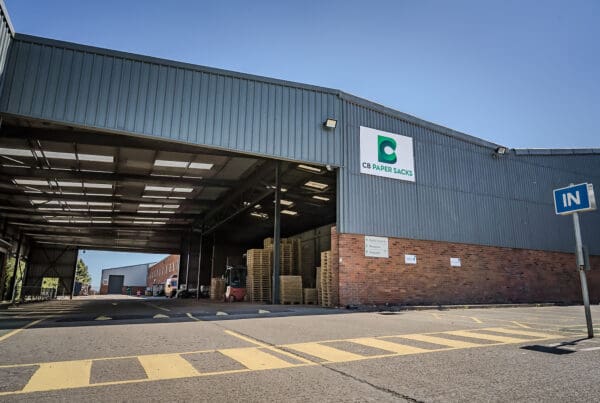
CB Paper Sacks Ltd is uniquely located in Northern Ireland to support customers in Ireland, UK and Continental Europe. We are renowned in the market for agility, flexibility, and exceptional service level – we can do what other suppliers cannot at our production facility in Bangor, Northern Ireland, (short runs, stock holding & Call-off).
As the only sack producer on the island of Ireland we have a footprint for 2m finished goods to ensure rapid response during peak seasonal demand.
As we approach 2026, the paper sacks manufacturing industry is experiencing significant transformation, driven by evolving consumer demands, technological innovation, and a global push for sustainability. In this blog, we explore the key trends anticipated to shape the paper sacks sector in the coming year and beyond.
1. Sustainability at the Forefront
With heightened awareness of environmental issues and tightening regulations on single-use plastics, paper sacks are set to play an even greater role in the packaging landscape. Manufacturers are investing in eco-friendly raw materials, such as FSC-certified paper and recycled fibres, to reduce their environmental impact. Biodegradability and compostability are becoming standard expectations, and brands are increasingly marketing the environmental credentials of their packaging.
2. Digitalisation and Smart Manufacturing
Industry is making its mark on paper sack production. Digital tools, such as AI-powered quality control, predictive maintenance, and data-driven process optimisation, are improving operational efficiency and reducing waste. Smart sensors and IoT-enabled machinery are enabling real-time monitoring, leading to higher product consistency and faster response times to market changes.
3. Customisation and Shorter Runs
The rise of e-commerce and changing retail patterns have increased demand for customised and branded packaging. Flexographic and digital printing technologies allow manufacturers to offer short production runs, vibrant designs, and personalisation with minimal lead time. This flexibility helps brands stand out on shelves and enhances the consumer unboxing experience.
4. Enhanced Strength and Barrier Properties
As paper sacks are used across diverse sectors, from food to building materials, manufacturers are innovating to improve strength, durability, and barrier properties. Developments in multi-ply paper structures, advanced adhesives, and water-resistant coatings ensure that paper sacks can compete with alternative materials in demanding environments, such as cement or pet food packaging.
5. Supply Chain Resilience and Localisation
The disruptions caused by recent global events have underscored the importance of resilient and flexible supply chains. In 2026, manufacturers are expected to focus on sourcing raw materials closer to production sites, investing in automation to reduce labour dependency, and building in contingencies for logistics challenges. This localisation trend can help reduce carbon footprints and ensure timely deliveries.
6. Circular Economy Initiatives
Circular economy principles are prompting manufacturers to design paper sacks for easy recycling, promote closed-loop systems, and collaborate with customers on take-back initiatives. Expect to see more partnerships between manufacturers, retailers, and recyclers, encouraging responsible disposal and reuse of paper-based packaging.
The paper sacks manufacturing industry is set to undergo significant change in 2026, guided by sustainability, digital innovation, and a more responsive approach to market needs. By embracing these trends, manufacturers can future-proof their operations, meet regulatory demands, and deliver value to both clients and the environment.